The diseases of the heart are difficult to contend with and to consider, but as the leading cause of death worldwide, they affect more lives than we may be capable of realizing. Their scale thus leaves little room for inaction, and brilliants minds across the globe labor tirelessly to find solutions.
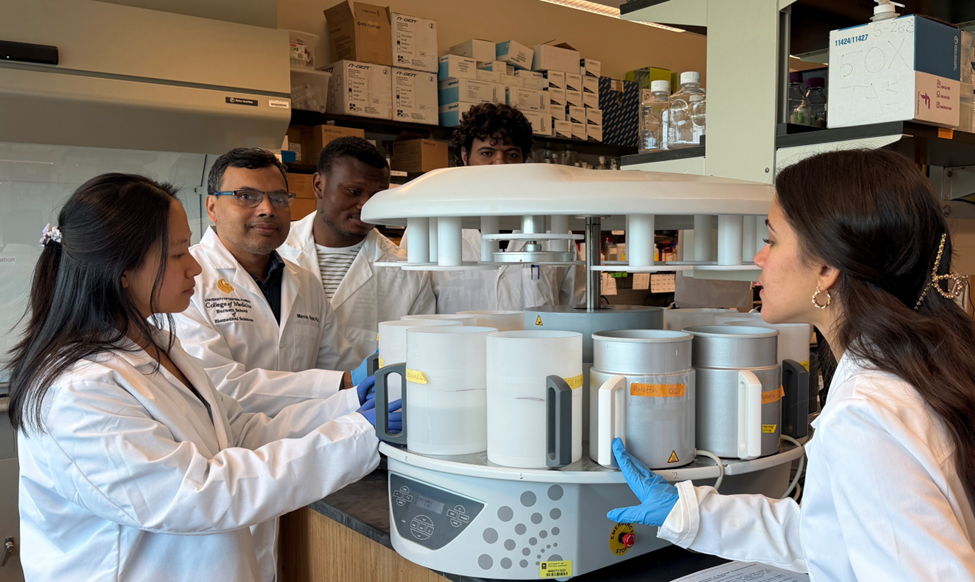
Dr. Manish Gupta, an assistant professor at UCF’s Burnett School of Biomedical Sciences, is one of these minds. His work is dedicated to identifying new molecular drug targets for the treatment of cardiovascular and metabolic diseases. Working alongside him in these endeavors is his keen team of students, composed of graduate and undergraduate recruits.
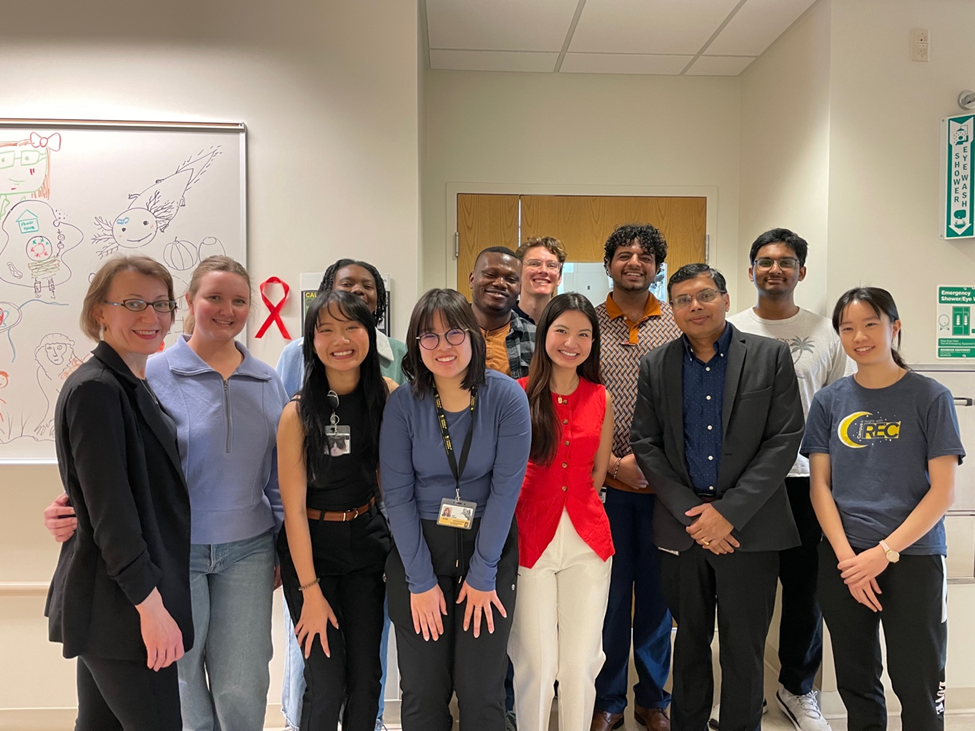
With his team, Dr. Gupta’s goals are grounded outside of simply leading the research itself; for the lab’s research to truly advance, he says, his students must develop with it. He takes several steps to ensure his students’ growth, each one grounded in the value of making learning enjoyable.
Because most of his students enter his lab with little to no practical experience, Dr. Gupta’s priority often lies in making the research experience an inviting one. When a mentee walks into his lab — or in his classroom, he emphasizes, reflecting that mentoring is not contained to the lab — he does his best to create a friendly environment where his students can grow to trust both in him and in one another.
“Everyone takes care of each other,” as Dr. Gupta puts it, “and everyone is a scientist.”
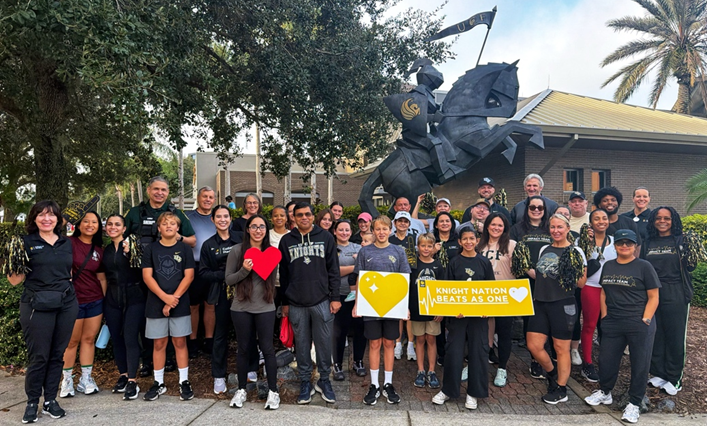
Dr. Gupta also promotes student participation in outreach and community service activities by encouraging team-based involvement in social and community events, strengthening teamwork and civic engagement.
Just as important, Dr. Gupta notes, is the recognition that every student has different needs, abilities, and strengths, and therefore requires different levels of attention, independence, and guidance to begin thinking like a researcher. He creates small projects that can be completed independently or through collaboration with fellow lab mates. At the same time, he is mindful not to overwhelm his students, who are often balancing full-time coursework alongside other responsibilities. “I incorporate lab research with their coursework,” Dr. Gupta says, “so they can find time for research.”
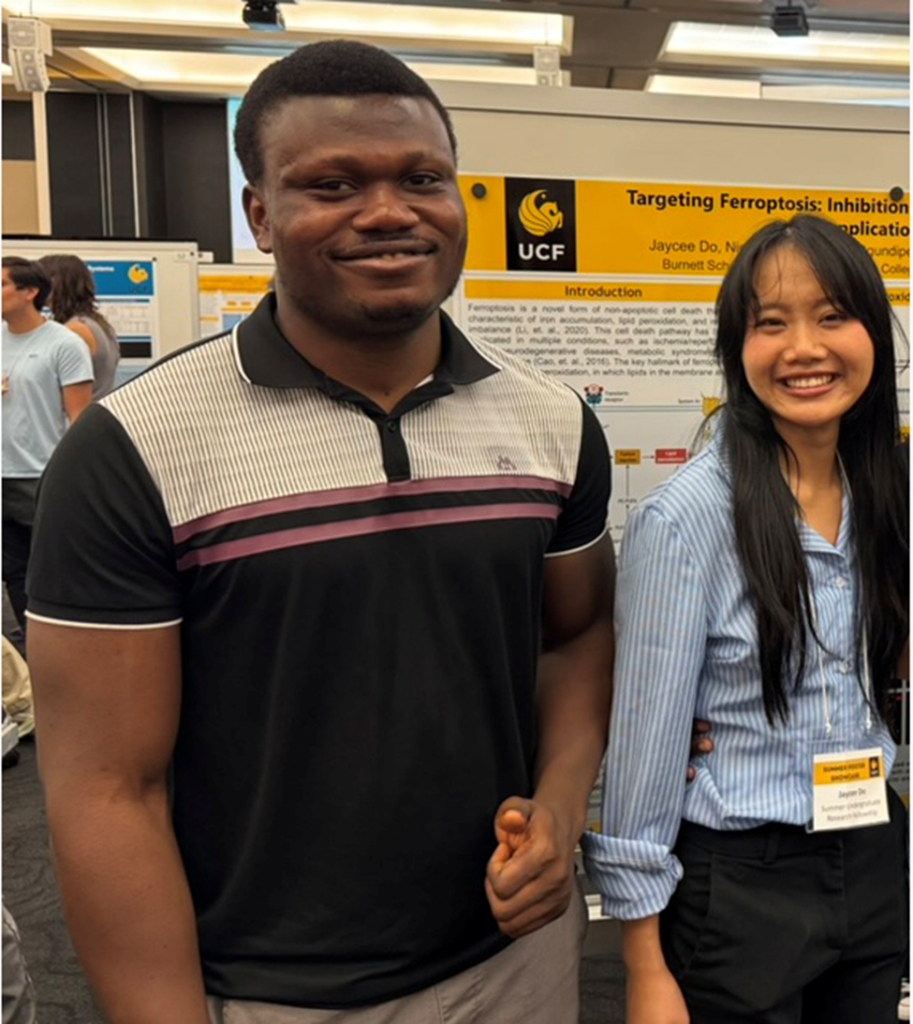
Dr. Gupta’s mentorship extends beyond the lab bench. He is a strong advocate for student grants and awards, maintaining that part of his role is to teach students how to identify grant resources and opportunities. He often encourages his mentees to present at conferences and pushes them to apply for awards they may not believe they are qualified for.
He himself sets out to recognize and reward his students’ achievements, frequently listing students as co-authors or acknowledging their names and contributions in publications. In fact, two of his students have published papers as first authors.
In addition to undergraduate and graduate training, Dr. Gupta is actively involved in mentoring high school students in research. These mentorship efforts emphasize experiential learning, scientific rigor, and professional development, with students frequently presenting their work at competitive academic forums.
Dr. Gupta says his philosophies and inspiration are, in part, fueled by his own time as a student and mentee. “I am in research because my mentors inspired me during my graduation to do research and explore the world,” Dr. Gupta reflects. Now, he adds, “I want to motivate students to chase their dreams.”
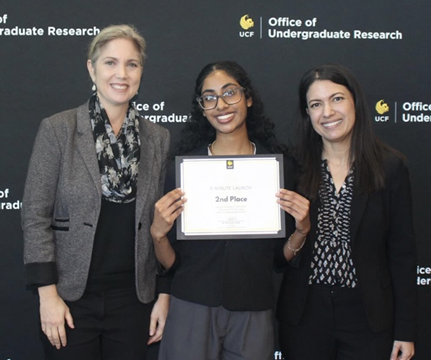
His students show what you can achieve through undergraduate research and mentorship. They have gone on to win prestigious awards, secure competitive fellowships, and successfully pursue higher education or medical schooling. His students have also presented at the American Heart Association’s Research Day and across numerous local and national conferences, often publishing their presentations as theses or articles. It all begins with undergraduate research and a great mentor.
Dr. Gupta’s Tips for Undergraduate Researchers
“Begin exploring labs early, ideally during your freshman or sophomore year, to give yourself enough time to acclimate and contribute meaningfully. Target your interests: Research the specific faculty at the college whose work aligns with your goals. Commit the time: Be realistic about your schedule; meaningful research requires a consistent, manageable time commitment.”
Dr. Gupta’s Tips for Mentors
“Undergraduate research is among the most impactful learning experiences universities can offer. Effective mentorship helps students develop curiosity, confidence, and critical thinking, skills that extend far beyond the classroom. By setting clear expectations, designing achievable projects, providing regular feedback, and fostering a supportive environment, faculty mentors can play a vital role in shaping the next generation of scholars, clinicians, and scientists while promoting STEM education. Effective laboratory-based training makes students more competitive in whatever they pursue. Students trust the system, and our job is to help them move forward.
As one faculty mentor emphasizes: ‘Undergraduate research is not about producing perfect data; it’s about teaching students to ask good questions, think critically, and work as a team.’”